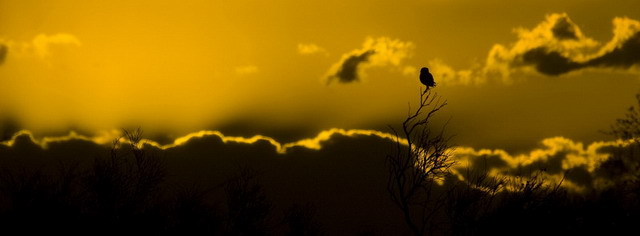
fantastic news...

I don't usually post links, but I'll make an exception. Ridgway's Hawks (endemic to the Dominican Republic) are critically endangered and only 80-120 breeding pairs survive. The species is sadly (and dangerously for its long term survival) restricted to a single population in los Haitises National Park. Until now. In 2009, working for the Peregrine Fund, I was in charge of the first of a series of reintroductions aiming at starting a new population in the southeast region of the country, where the bird had previously gone extinct. But that was just the beginning. Since then, birds have been released yearly by the Peregrine Fund, and this summer the first pair nested, hatched a fledged a chick in the new population! I can't begin to explain how happy I felt when I got the news a few weeks back. Although there is still a lot of work to do, this in itself is a great success, a reason to be optimistic and to believe that Costeau was right:


"If we were logical, the future would be bleak indeed. But we are more than logical.
We are human beings, and we have faith, and we have hope and we can work."


Congrats to Russell, Thomas, Nogini, Chivero and everybody else who has made this possible.

Normalmente no pongo links, pero la ocasión lo merece. El gavilán dominicano (endémico a la República Dominicana) está en peligro crítico de extinción, con tan sólo 80 a 120 parejas. Para colmo, todas se encuentran en una única población, con el peligro que eso conlleva para la supervivencia de la especie. Hasta ahora. En 2009, trabajando para el Peregrine Fund, estuve al cargo de la primera de una serie de reintroducciones con vistas a crear una segunda población en el sureste del país, donde la especie se había extinguido. Eso fue sólo el principio. Desde entonces, la gente de Peregrine Fund ha seguido con las reintroducciones y este verano la primera pareja de gavilanes reintroducidos anidó y ha conseguido sacar adelante un pollo! No os podéis comenzar a imaginar la alegría que me dieron hace unas semanas cuando me lo contaron. Aunque falta mucho por hacer, es todo un éxito, motivo de optimismo y me hace pensar que Costeau no iba equivocado:
"Si fuéramos lógicos, el futuro sería sombrío, sin duda alguna. Pero somos más que lógicos. 
Somos seres humanos, y tenemos fe, y tenemos esperanza y podemos trabajar."
  
Enhorabuena a Russell, Thomas, Nogini, Chivero y todos los que lo ha hecho posible. 


 SN back in 2009. They tell me she is now in full adult plumage and still often seen in the area.
SN en 2009. Me cuentan que siguen viendola a menudo, aunque ahora ya tiene el plumaje de una hembra adulta.

ps. I promise to go back to more photos and less chit chat for the next post!
pd. prometo poner más fotos y menos rollo la próxima vez!

...por fin!!!!


After three years of chasing the little feckers across the bogs of Ireland, finally got to see and ring my first Merlin chicks!!!
Tras tres años persiguiendo esmerejones por las turberas irlandesas, por fin conseguí ver y anillar mis primeros pollos!!!

The look of happiness and pride says it all...  ; )
Basta con ver mi cara de felicidad y orgullo, jeje...

They were too young to ring at the time, but even so were way more alert than other falcon species at a similar age.
Eran demasiado pequeños para anillar, pero aun así se veían mucho más alerta que otras especies de halcon que a esa edad apenas responden a estímulos.

A few days later we were back to ring them. By then they had lost their first down and changed colour from white to grey.
Unos días después regresamos para anillarlos. A esa edad ya habían perdido el primer plumón de color blanco que había sido reemplazado por otro de color gris.

 
And all this, after three summers of endless days of dragging the canoe across the bog, paddling (sometimes with our own peculiar style)...
Y todo esto tras tres veranos de días interminables cargando la canoa por las turberas, remando (a veces con una técnica bastante peculiar)...
  
...until we were exhausted...
...hasta agotarnos...
...looking like we had mental issues by wearing wetsuits out on the bog just to swim out to the islands and avoid carrying the canoe...
...descubriendo que íbamos más rápido si en lugar de la canoa pasábamos el día con el neopreno puesto para nadar a las islas (a pesar de las extrañas miradas de los autóctonos)...
...possibly being the source of new sightings of the Loch Ness monster...
...causando nuevos avistamientos del monstruo del Lago Ness...
...climbing trees...
...subiendo a árboles...

...putting up nest baskets...
...colocando nidos artificiales...
...making a few friends...
...haciendo amigos...


...and constantly on the lookout for Merlin...
...y siempre buscando esmerejones...
It was well worth it. This year we got a handful of active nests, and with a bit of luck (and loads of work) next year will bring more...
Y sin duda ha valido la pena. Este año encontramos unos cuantos nidos, y con un poco de suerte (y muchos días de trabajo) el año que viene encontraremos más...


All pictures and footage under licence from NPWS.
Fotos y vídeos obtenidos con permisos específicos de NPWS.

spring...?

As usual, the field season is turning out to be rather hectic, with little time for photography. Although I do take the occasional picture, there's no underlying theme to the photos I've been taking. So here are a few random shots from the last couple of months (will post more from Mada over the summer).
Como de costumbre, la temporada de campo es un no parar, con poco tiempo para las fotos. Voy echando algunas, pero sin trabajar un tema en concreto. Así que aquí va una miscelánea de fotos del último par de meses (iré subiendo las que me quedan pendientes de Madagascar a lo largo del verano).

Chaffinch carrying food to the nest.
Pinzón llevando alimento al nido.
Ice on a window (in late April!).
Hielo en la ventana a finales de abril.
A typical Kestrel site.
Típica ruina donde anidan los cernícalos.
Old harvester up in the mountains.
Cosechadora antigua abandonada en la montaña.
Male Hen Harrier.
Macho de aguilucho pálido.
Fields on Inisheer.
Campos en la isla de Inisheer.
Male Reed Bunting.
Escribano palustre macho.
Slieve Felims (one of my study areas).
Una de mis zonas de estudio en las Slieve Felims.
No idea what species they are. Pretty though.
Ni idea de que especie son. Pero bonitas.

Mada VI: herpetofauna

And turn for reptiles and frogs... any ID help will be welcome ;)
Y ahora tocan ranas y reptiles... se agradece ayuda de identificación  ;)

Tree frog during a night walk in Analamazoatra.
Rana arborícola durante una caminata nocturna en Analamazoatra.

Oplurus sp in Andrigintra. They were on every rock, sunning and chasing insects.
Oplurus sp en las montañas de Andrigintra. Estaban en todas las piedras que veías, tomando el sol y persiguiendo insectos.
 

The Phelsuma geckos were one of those little wonders that remind you you're in the tropics. They were pretty much everywhere in the wetter areas, and particularly in houses. Every place seemed to have a different species, with slightly different colourful markings on the back. Here's one trying to get at our breakfast in the place we stayed in Ranomafana...
Los geckos del género Phelsuma eran de aquellas pequeñas maravillas que te hacen darte cuenta que estás en un país tropical. Estaban por todos lados en las zonas más húmedas del país, especialmente en las casas. Había un montón de especies diferentes, con ligeras variaciones en los coloridos patrones del dorso. Aquí uno merodeando durante el desayuno en nuestro alojamiento en Ranomafana...
...and two forest species in Analamazoatra.
...y dos especies forestales en Analamazoatra.


Bernier's Striped Snake Dromycodrias bernieri in Andrigintra, there were five hiding in a bush on the side of the road...
Dromycodrias bernieri en Andrigintra, encontramos cinco metidas en unas hierbas al lado de la pista...
 

Madagascar Tree Boa Sanzinia madagascariensis, Analamazoatra.
Boa arborícola Sanzinia madagascariensis, Analamazoatra.
 

Mantella baroni in Mantadia.
Mantella baroni en Mantadia.

Oplurus cuvieri (?) in Isalo.
Oplurus cuvieri (?) en Isalo.

Mada V: landscapes

A few shots from different corners of the country.
Algunos paisajes de diferents rincones de la isla.

Waterfall and view of the rainforest in Mantadia.
Cascadas y bosque tropical en Mantadia.


Andrigintra in the morning,
Andrigintra por la mañana,
and in the afternoon, after a big rainstorm.
y por la tarde, tras un buen tormentón.
 
View from the rocky outcrops of Anja.
Vista desde lo alto de las piedras en Anja.
 

Galiza

Leaving Madagascar pics on hold for now (will upload more over the coming months), was in Galiza for a few days, where, in the Serra do Xistral we saw Faca Galega - the galician breed of horses which are kept in semi-wild conditions and rounded up once a year during the rapa das bestas for branding and triming the horses manes...
Dejando Madagascar de lado temporalmente (subiré más fotos en próximas entradas), vuelvo de unos días por tierras galegas donde en la Serra do Xistral vimos la faca galega, la raza autóctona de caballos que viven semi-salvajes y que una vez al año, durante la rapa das bestas son conducidos a cercados donde son marcados y se les recortan las crines...
 
as well as the local Cachena cattle breed.
además de la raza autóctona de ganado vacuno, la cachena.
We also got to see the spectacular coastline, from Estaca de Bares, northernmost spot in the Iberian Peninsula marking the division between the Cantabric Sea and the Atlantic Ocean...
También ruteamos por la costa galega, desde Estaca de Bares, punto más septentrional de la península que marca el límite entre el mar Cantábrico y el océano Atlántico...
 
 
...to Cabo Ortegal...
...a Cabo Ortegal...

...and Praia das Catedrais (Cathedrals Beach).
...y Praia das Catedrais.