Madagascar I: Land of gidro

Spent a month traveling in Madagascar in November / December and only now finished going through all the pictures. So here is the first of many posts on the red island. And as it is the land of lemurs (or, to give them their malagasy name, gidro or maki), it's only fitting that my first post should be dedicated to these bizarre creatures.
En noviembre y diciembre pasé un mes de viaje por Madagascar, y hasta ahora acabo de ponerme al día con las fotos. Aquí va la primera de unas pocas entradas sobre la isla roja. Y como es tierra de lemures (o como se les llama en malgache, maki o gidro), pues la primera entrada va dedicada a estos simpáticos bichos.

First (fleeting) glimpses of maki in Andrigintra... (Ring-tailed lemur Lemur catta)
Primeros encuentros fugaces con los maki en Andrigintra... (Lemur de cola anillada Lemur catta)
In Anja we got much closer to them, as my travel buddy Basti was able to verify...
En Anja nos pudimos acercar más. Tal y como lo flipa Basti (mi paciente colega de viaje)...
 
Red-fronted brown lemur Eulemur rufus in Isalo...
Lemur marrón de frente roja Eulemur rufus en Isalo....

and a female of the same species...
y una hembra de la misma especie...
In Ranomafana we saw Red-bellied lemurs Eulemur rubriventer,
En Ranomafana vimos lemur de vientre rojo Eulemur rubriventer,
our first sifakas, Milne-Edwards Sifakas Propithecus edwardsi,
nuestros primeros sifakas, el sifaka de Milne-Edwards Propithecus edwardsi,

and in the strange bamboo forests...
y en los peculiares bosques de bambú...
...a species thought extinct until 1986, the Greater Bamboo Lemur Prolemur simus. Not that it's much better off now, with only about 60-80 individuals still clinging on. This amazing species feeds almost exclusively on bamboo shoots, which are loaded with cyanide. Even though the amount they eat each day would be enough to kill a human, they somehow manage to cope with this highly specialized diet. Here is one surrounded by its strange and deadly food source.
...una especie que se daba por extinta hasta 1986, el lemur grande del bambú Prolemur simus. No estará extinto, pero desafortunadamente no está lejos de desaparecer (quedan sólo 60-80). Se alimentan casi exclusivamente de brotes de bambú, que están cargados de cianuro. Tanto es así, que la dosis diaria que ingieren sería suficiente para matar a un humano. Aquí tenéis uno rodeado de su extraña y mortífera fuente de alimento.
I didn't get any close up pictures (they were having their post-breakfast nap high in the bamboo when we found them). But I couldn't omit an animal that has managed to adapt to such a deadly diet but which we have easily managed to take to the brink of extinction.
More makis to come in future posts...
No conseguí hacer fotos de cerca - estaban echando la siesta del carnero en lo alto del bambú. Pero no podía obviar a una especie que se ha adaptado increiblemente para sobrevivir con una dieta tan mortífera y que sinembargo nosotros estamos a punto de exterminar.
Más makis en las próximas entradas...

tardor IV

Fall in central Catalunya, picking mushrooms...
Otoño en Catalunya central, buscando setas...


autumn III: fire in the sky

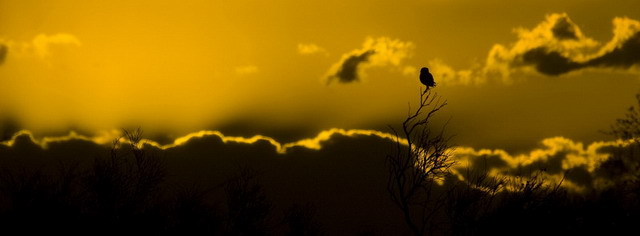
Sunset in the Grazalema mountain range. Amazing. Light was constantly dancing through the fog and the clouds, dying out only to explode into life again. The sun would be visible for a few seconds, then disappear, but leaving it's light to flood the sky. The pictures don't do justice to the spectacle we witnessed.
Puesta de sol en la Sierra de Grazalema. Increíble. La luz jugaba al escondite entre las sombras, la niebla y las nubes. De repente se apagaba todo y quedaba un mundo gris y oscuro y de repente una explosión de color envolvía toda la sierra. Aparecía el sol unos segundos, para volver a esfumarse poco después mientras su luz seguía inundando el cielo. Las fotos no hacen justicia al espectáculo que presenciamos. Ni tampoco al frío que hacía, jejeje...


otoño II

Visit to Doñana National Park. Starting of at the beach,
Visita al Parque Nacional de Doñana. Empezando por la playa,
then on to the (dried up) salt marshes,
siguiendo por las marismas (completamente secas),


highlight of the day, not one or two, but three Imperial Eagles,
lo mejor del día, tres águilas imperiales,

sand dunes after the pine forests,
transición de pinares a dunas,


and finishing of the day at the Dehesa de Abajo, watching a huge flock of Glossy ibis.
y para acabar el día, pasamos por la Dehesa de Abajo, donde había un bando enorme de moritos.

tardor I

After a couple of very hectic months, catching up with a backlog of photos. For starters, raptor migration in Tarifa.
Tras un par de meses bastante liado, poniéndome al día con fotos. Para comenzar, migración de rapaces en Tarifa.

Short-toed Eagle
Águila culebrera
 
Black Kites
Milanos negros
Egyptian Vulture
Alimoche
White Storks
Cigüeña blanca

Aegypius

Cinereous vultures at Barcelona Zoo.
Buitres negros en el zoo de Barcelona.


Glareola pratincola

Back in the Dehesa de Abajo, amazed by the number of Collared Pratincoles...
De vuelta a la Dehesa de Abajo, esta vez flipando con la cantidad de Canasteras...
and the way they were zipping over the rice fields hunting insects.
y con sus vuelos acrobáticos sobre los arrozales cazando insectos.